If you think back to your own high school experience, what memories stand out the most?
Chances are, your fondest moments didn’t happen while sitting quietly at a desk taking a standardized test. They happened during the chaotic final dress rehearsal for the spring musical. They happened on a bus ride home after a big playoff win. They happened late at night in a hotel lobby while prepping for a Model UN conference.
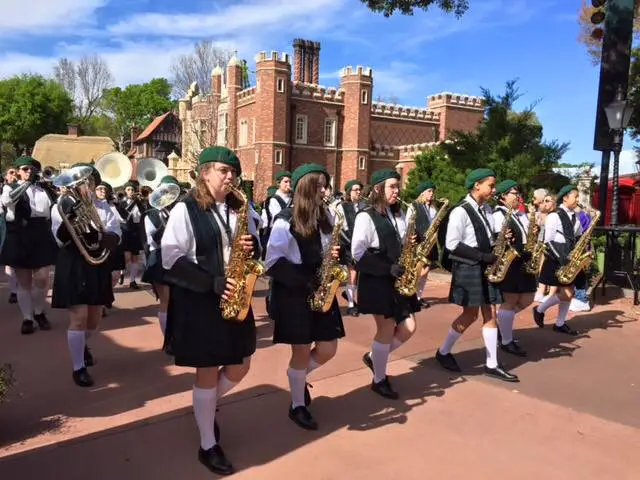
At Mount. St. Mary Academy, we know that these moments aren’t just fun distractions from the real work of learning. They’re the laboratory where the real work actually happens. Athletics, fine arts, and clubs are where girls learn how to bounce back from a loss, how to collaborate under pressure, and how to lead a team.
But there’s a practical side to these programs that most people outside of school administration never see. Running a top-tier, robust student life program is incredibly expensive. And it leads to a question we hear quite often from our community:
“Doesn’t tuition cover all of this?”
It’s a completely fair question. The short answer is no, it doesn’t. To understand why, it helps to pull back the curtain on how independent school finances actually work.
According to data from the National Association of Independent Schools (NAIS), tuition typically covers only about 80% to 85% of a school’s actual operating budget. Your tuition dollars are working incredibly hard to cover the vital baseline of a Mount education—paying the salaries of our incredible faculty, keeping the campus secure, maintaining the buildings, and keeping the lights on.
But building a truly exceptional student experience requires what we call the margin of excellence. And that margin relies heavily on fundraising.
When we ask for support for the Annual Fund or specific student life initiatives, we aren’t just pooling money into a generic bank account. We’re funding highly tangible, specific things that directly impact your daughter’s experience at The Mount.
The High Cost of the Stage
When you sit in the auditorium and watch the curtain rise on our spring musical, you’re looking at a significant financial undertaking. Many people are surprised to learn that simply securing the licensing rights and royalties to perform a popular Broadway show can cost thousands of dollars before a single line is spoken. Add in the cost of lumber for the sets, lighting gels, professional sound equipment maintenance, sheet music, and costumes, and the budget for a single production skyrockets.
Fueling Athletics
A successful athletics program requires a lot more than just a ball and a field. One of the largest hidden costs in high school sports today is transportation. Booking charter buses for away games and tournaments takes a massive bite out of the budget. On top of that, we have to factor in the cost of paying certified referees for every home game, regularly replacing safety gear and uniforms, maintaining the fields and courts, and paying league entry fees.
Funding Future Leaders
Our clubs and academic teams are incredibly active, and taking their talents on the road isn’t cheap. Sending the robotics team to a regional competition requires entry fees, travel expenses, and the constant purchasing of specialized hardware and software components. Virtual Enterprise (VEI) trade fairs, and Model UN conferences require registration fees and travel logistics that allow our girls to compete against the best schools in the region.
So, why do we invest so heavily in these areas if they cost so much? Because the return on investment is undeniable.
In fact, data provided by the National Center for Education Statistics consistently shows that high school students who participate in co-curricular activities have significantly higher GPAs, better attendance records, and a much higher likelihood of pursuing a bachelor’s degree than those who don’t. These programs are an amazing training ground for the soft skills that colleges and modern employers are desperately looking for.
When you make a gift to support student life at MSM, you’re making a direct investment in her experience in and out of the classroom. You aren’t just writing a check to a school; you’re buying the sheet music for her first solo. You’re putting gas in the bus that takes the team to the state championship. You’re buying the software that brings her robotics project to life.
You’re funding the exact moments she’ll look back on 20 years from now and say, “That was the best time of my life.”